Introduction
Christmas is a special time of year for many, but it is also a time when special care and attention must be given to our bonsai. Keeping your bonsai healthy during the winter requires forethought and some simple steps, especially if you plan to see it flourish to its fullest in the spring season. In this article of ours, we will provide you with some practical tips on how to care for a bonsai tree during the harsh Christmas season, protecting it from the cold and making sure it receives the light and water it needs for its health.
Bonsai care at Christmas and winter time
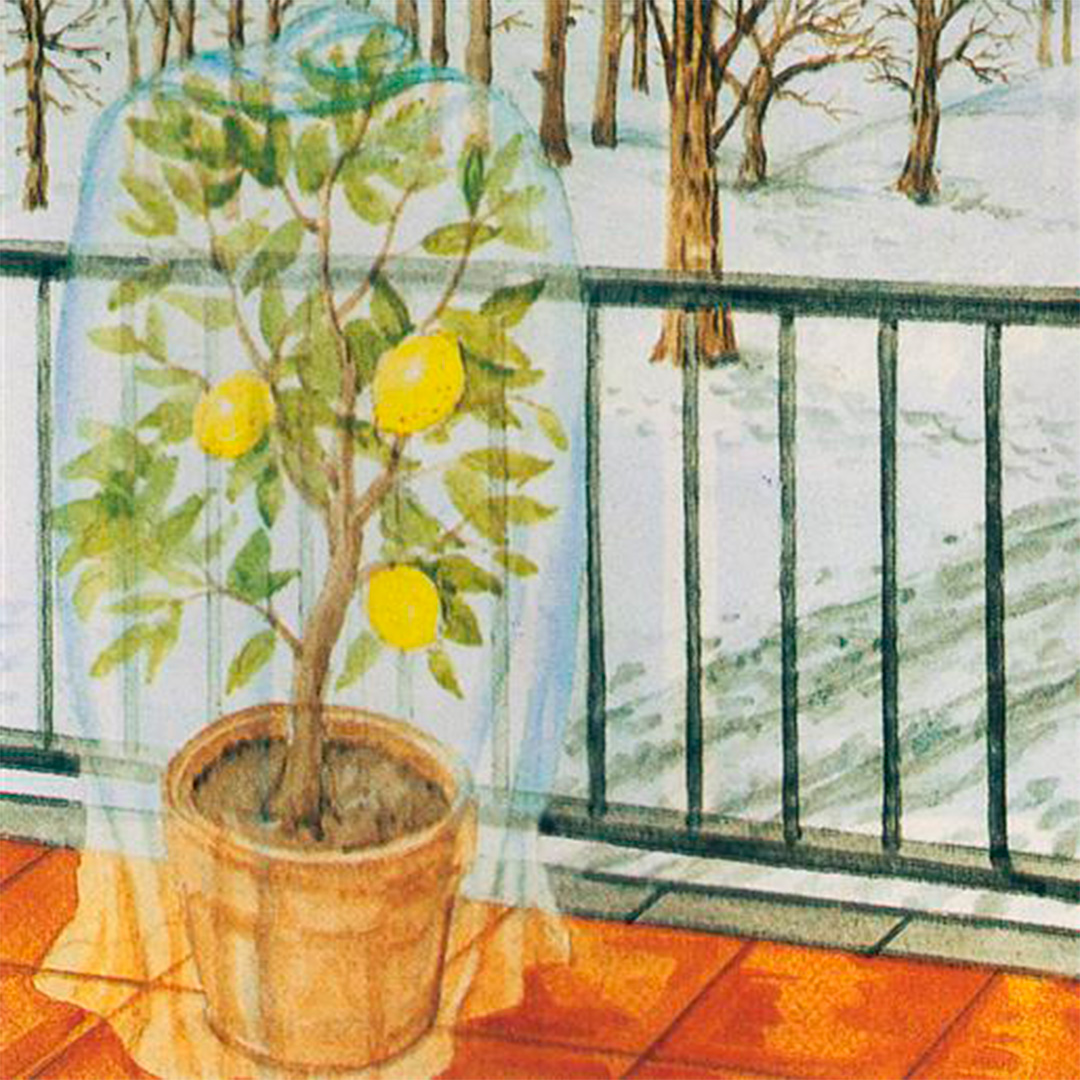
Protection from the cold. The first rule of winter bonsai care is to protect it from freezing temperatures. If you own an outdoor bonsai tree, such as a juniper or maple, consider moving it to a cold greenhouse (or mini-greenhouse) or, alternatively, if you don't have these facilities, cover it with a TNT (nonwoven fabric, not dynamite, mind you!) hood to prevent the bonsai from freezing. This particular type of ultraviolet-stabilized polypropylene fabric is developed so that it simulates the environment of a cold greenhouse, without problems of overheating on sunny days. In any case, special care should be taken to at least protect the pot from the harsh conditions of the season, as the root system is the most delicate part of the plant.
Instead, indoor bonsai trees, such as ficus, should be kept away from cold drafts and placed in a room with a stable temperature, away from heat sources such as radiators or fireplaces.
Watering bonsai trees during winter
During the Christmas season and winter in general, bonsai trees require less water than during the warmer months. It is important to carefully monitor the bonsai tree's soil and water only when it feels dry to the touch. Avoid overwatering the plant, as stagnant water can cause root rot. Make sure your bonsai pot has adequate drainage to prevent problems related to excess water.
The right light for bonsai at Christmas time
Even in winter, light is essential for your bonsai tree. If you keep it inside during Christmas, place it near a window where light comes in, but avoid direct exposure to sunlight, which could burn the delicate leaves. If your bonsai tree is outside, try to ensure that it gets at least a few hours of natural light each day, perhaps protecting it with a transparent tarp on colder days.
Disease and pest control
During the winter months, bonsai trees are most vulnerable to fungal diseases and pests. Check the leaves, trunk and soil regularly for signs of mold or pests. If you notice any abnormalities, take prompt action with specific bonsai care products, preferably organic or environmentally friendly, so as not to damage the plant.
Interruption of pruning and fertilization
The Christmas season is not a good time to prune or fertilize bonsai, as the plant enters a vegetative resting phase. Pruning and fertilizing can stress the plant, so these operations should be postponed until spring, when the bonsai resumes active growth.
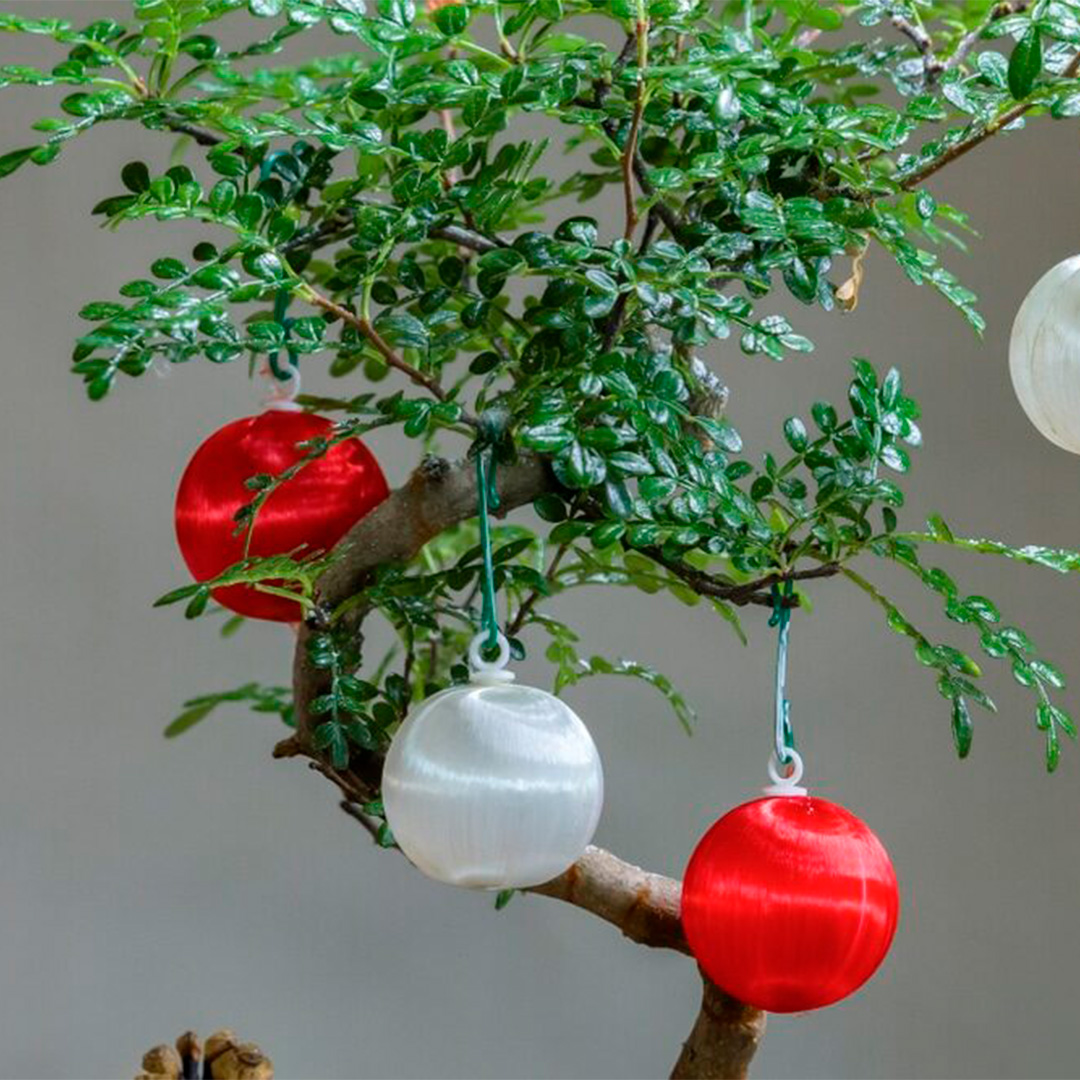
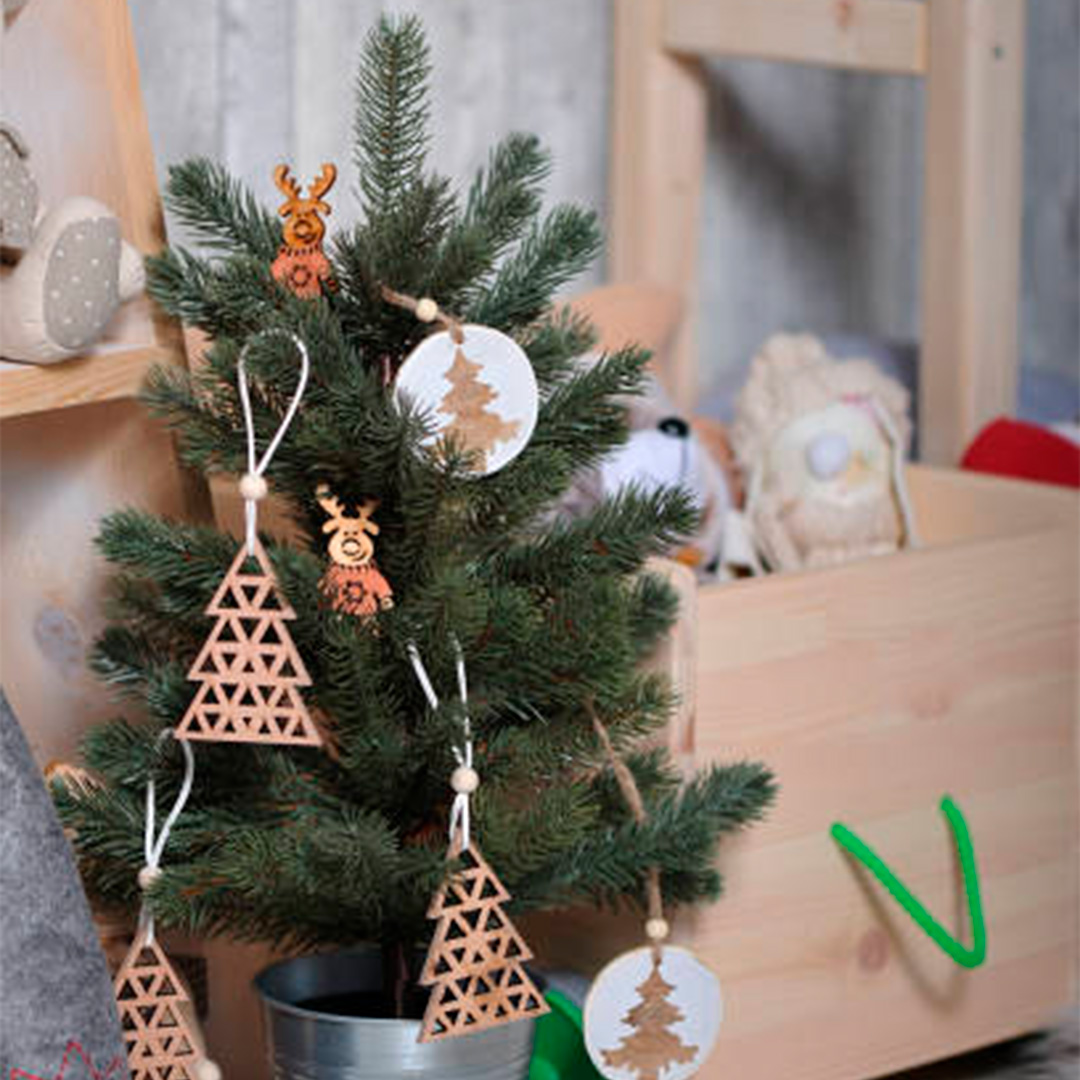
How to decorate your bonsai tree at Christmas.
If you want to spruce up your bonsai tree for Christmas, you can do so with light decorations. Small battery-operated lights, mini-Christmas decorations or bows can add a festive touch to your bonsai without damaging the branches. Just remember not to overdo the weight of the decorations and remove them after the holiday season to avoid stressing the plant.
Conclusion: Keep your bonsai healthy over Christmas.
Caring for bonsai trees at Christmas requires just a little extra attention. Protect it from the cold, water it moderately and make sure it gets the right amount of light. By following these simple tips, your bonsai will not only get through the winter in perfect health, but will be ready to bloom in the spring.