
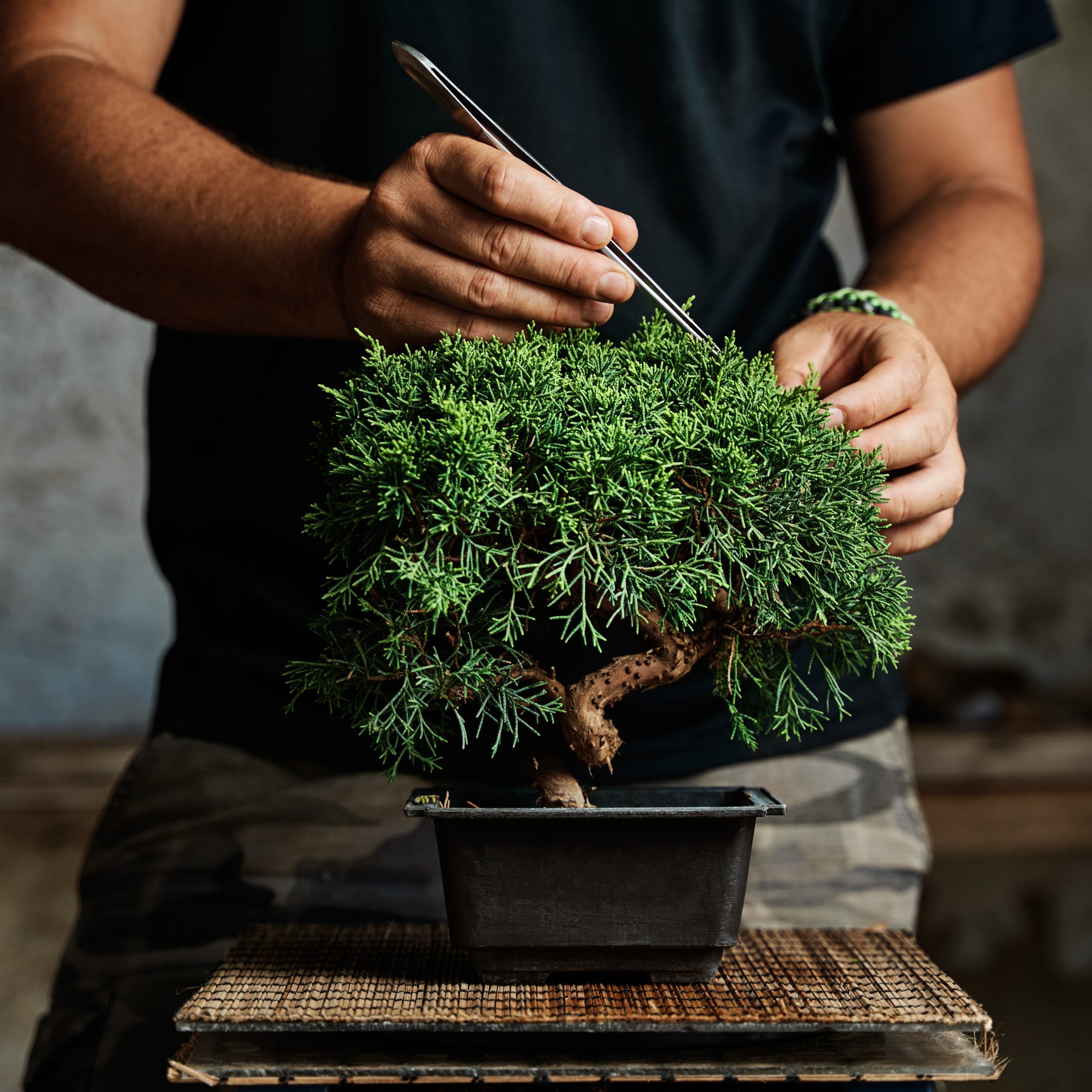
In the Japanese language, the term bonsai literally means "grown in a tray," encapsulating in a word an artistic discipline spanning thousands of years, initialized by the bonsai masters of Japanese Zen Buddhism.
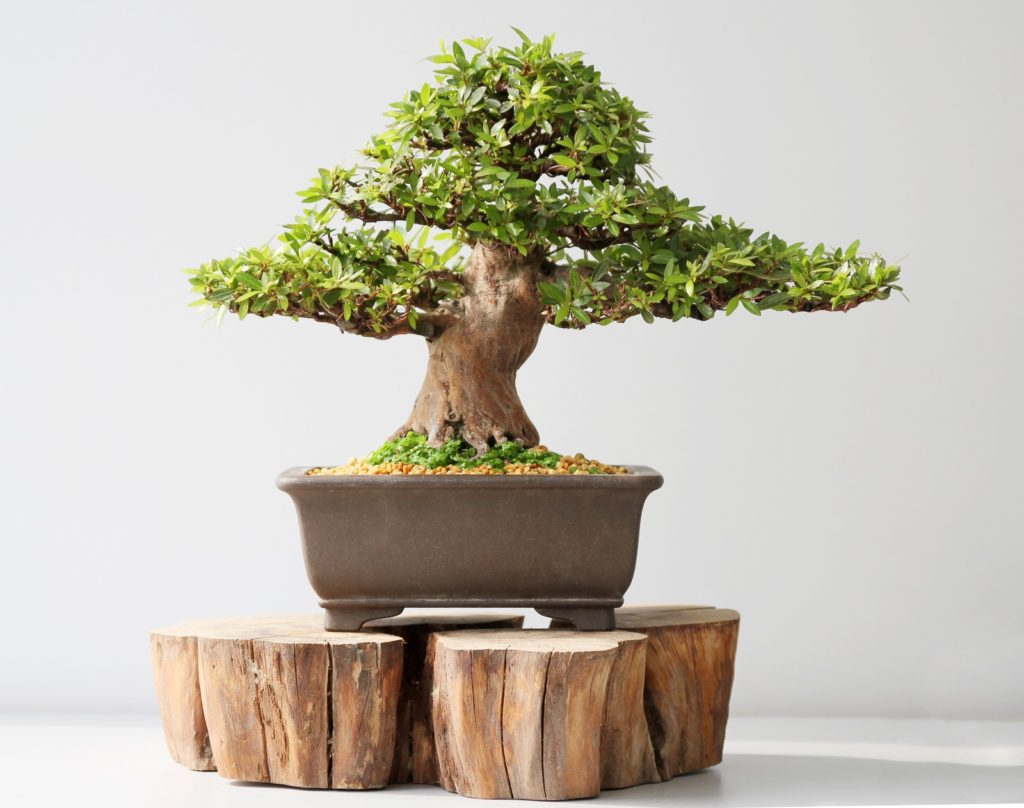
Bonsai trees are not plants that have been genetically modified so that they can grow in pots rather than on the ground; rather, they are plant specimens that are grown so that they can live in a small pot. There are species that are more or less suitable for growing in pots, but generally any type of stem plant is suitable for this growing technique.
Bonsai tools for getting started:
To grow your Bonsai tree, you don't just need water, fertilizer and to put it in the sun often, there are operations to be performed on the plant to allow it to grow properly, lushly and neatly, or messily if you wish!
I am referring to branch pruning, repotting, defoliation and Bonsaisetting. To do this, it is necessary to have the proper tools for each operation to avoid unpleasant inconveniences, such as transmitting root infections to the branches by cutting them with the same scissors. This would cost your Bonsai tree dearly!
The basic and fundamental tools to start growing a Bonsai are:
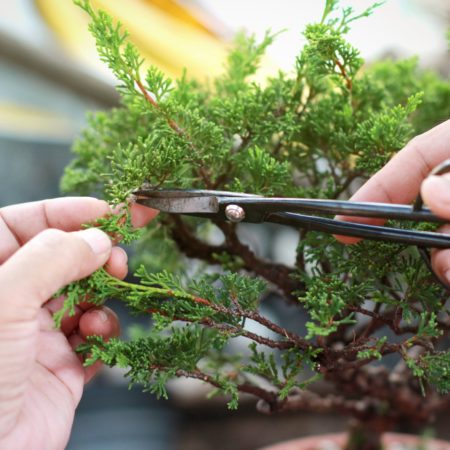
- A pair of scissors, obviously not the scissors you use every day to cut papers and wrappings, but scissors specifically for Bonsai, possibly made of burnished steel to prevent rust and to ensure a good cut. You will need these scissors to thin the branches of your mini-tree and remove dead branches or those you feel are extra.
- Of the concave cutters. You will need these to remove the most important branches, for example those starting from the stem, without leaving a cut mark. Thanks to their concave blades, you'll leave a groove in the bark that will heal over time and won't be left with the principle of the cut branch, which is aesthetically unsightly.
- Of the thread for tying of the Bonsai tree. You will need it to guide the directions of the branches to force them to take a certain trajectory in their growth. You will therefore bend the branch in the direction you want it to grow and secure it by gently bunching it with copper or aluminum wire and then fastening it to the stem. A rather fine wire thickness is best for those new to the craft (1-4mm).
- A pair of root scissors. This pair of scissors will be sturdier than the previous pair because it will allow you to shorten the roots when repotting. When cutting roots you may run into pebbles or the root may be thicker and stronger than a simple branch, which is why its blades are thicker and stronger.
Choosing a Bonsai tree to start with:
Let's start with the choice of Bonsai tree, as it is often an underestimated and sometimes crucial decision for the success of the project and the health of the plant.
The choice of Bonsai tree will have to be weighed with the microclimate in which it will be raised. It is often thought that because of its delicacy, the Bonsai tree should be inside one's home walls, the truth is that being for all intents and purposes a tree will have to be placed outside, except if it is a tropical species.
Consider growing an olive tree, Chinese elm or privet, if you are as I believe in Italy, more specifically in a rather mild location with not unbearably cold winters. If, on the other hand, the temperature is rather low in winter,trident maple or Japanesemaple might be for you.
There are beginner types of Bonsai trees that can be a good way to approach the art of bonsai, which do not involve an exaggerated expense and a rather assured yield, for example, elms.
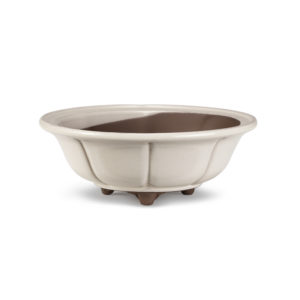
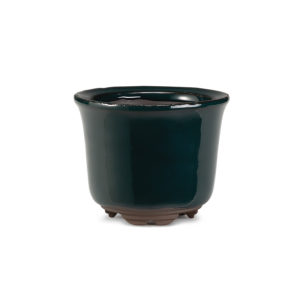
A ceramic Bonsai pot:
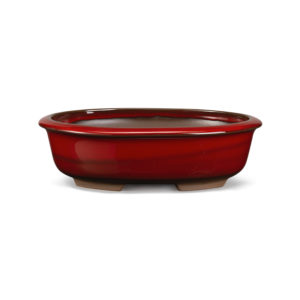
If you buy a Bonsai tree in a plastic pot, take immediate steps to repot it in a ceramic Bonsai pot. For you to see, a beautiful pot for your plant is a purely aesthetic aspect, but for Bonsai it is literally a beautiful home in which to grow. Not only will it have to be stylistically coordinated with the shape and color of your Bonsai, but it will have to be of suitable workmanship and of a material that can stand up well to hot and cold temperatures.
The perfect material is ceramic, read our article on choosing your perfect vase and take a look at our range of pots for Bonsai, we have them in every color and shape!
In addition to tools, pot and of course Bonsai, a lot of patience and dedication is needed. Not obsessive, because some species if treated wrongly, do not forgive mistakes.
All your actions affect the health of the plant, so think a few times before you cut off even a single branch!
