Il Bonsai che Sopravvisse a Hiroshima: Una Storia di Resilienza e Speranza
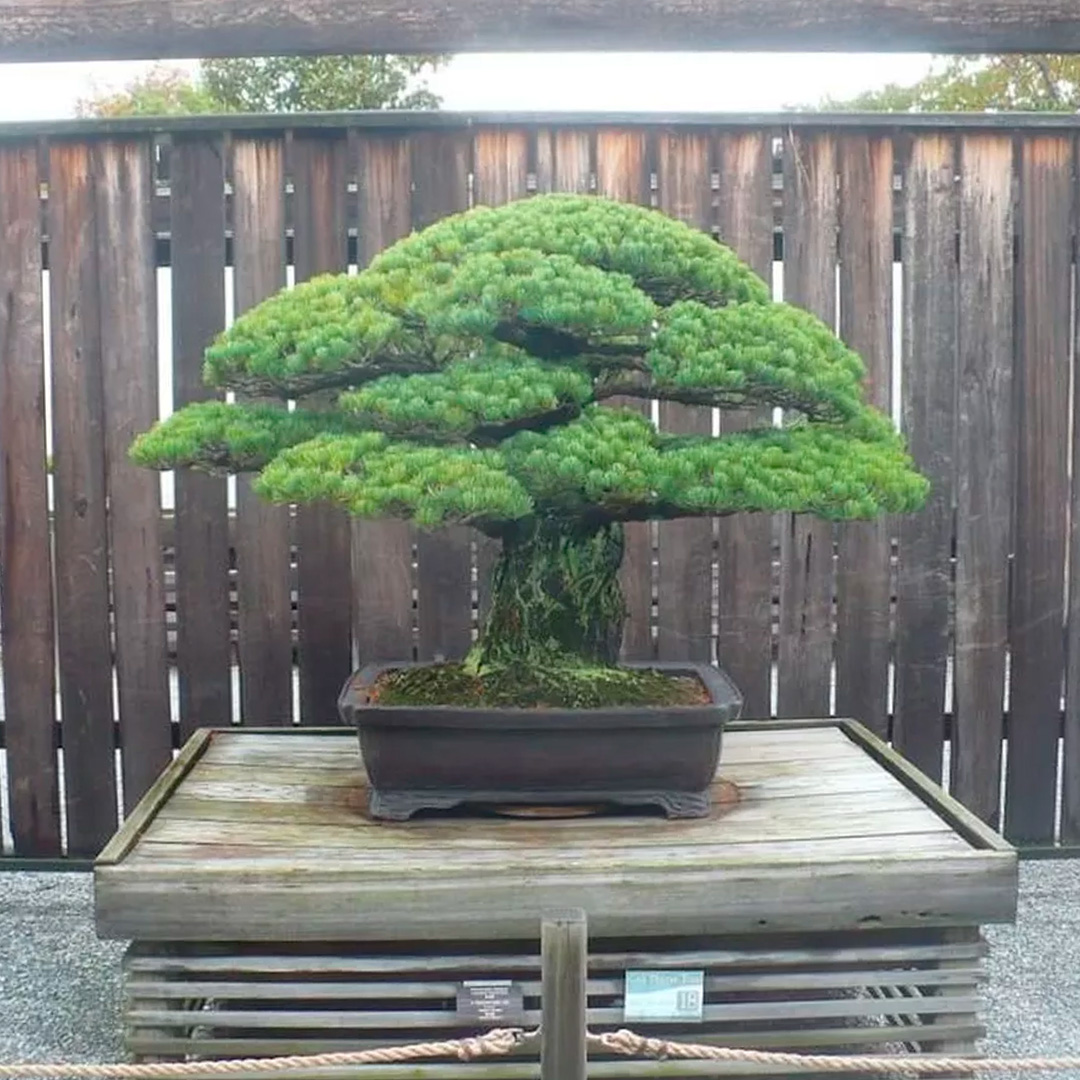
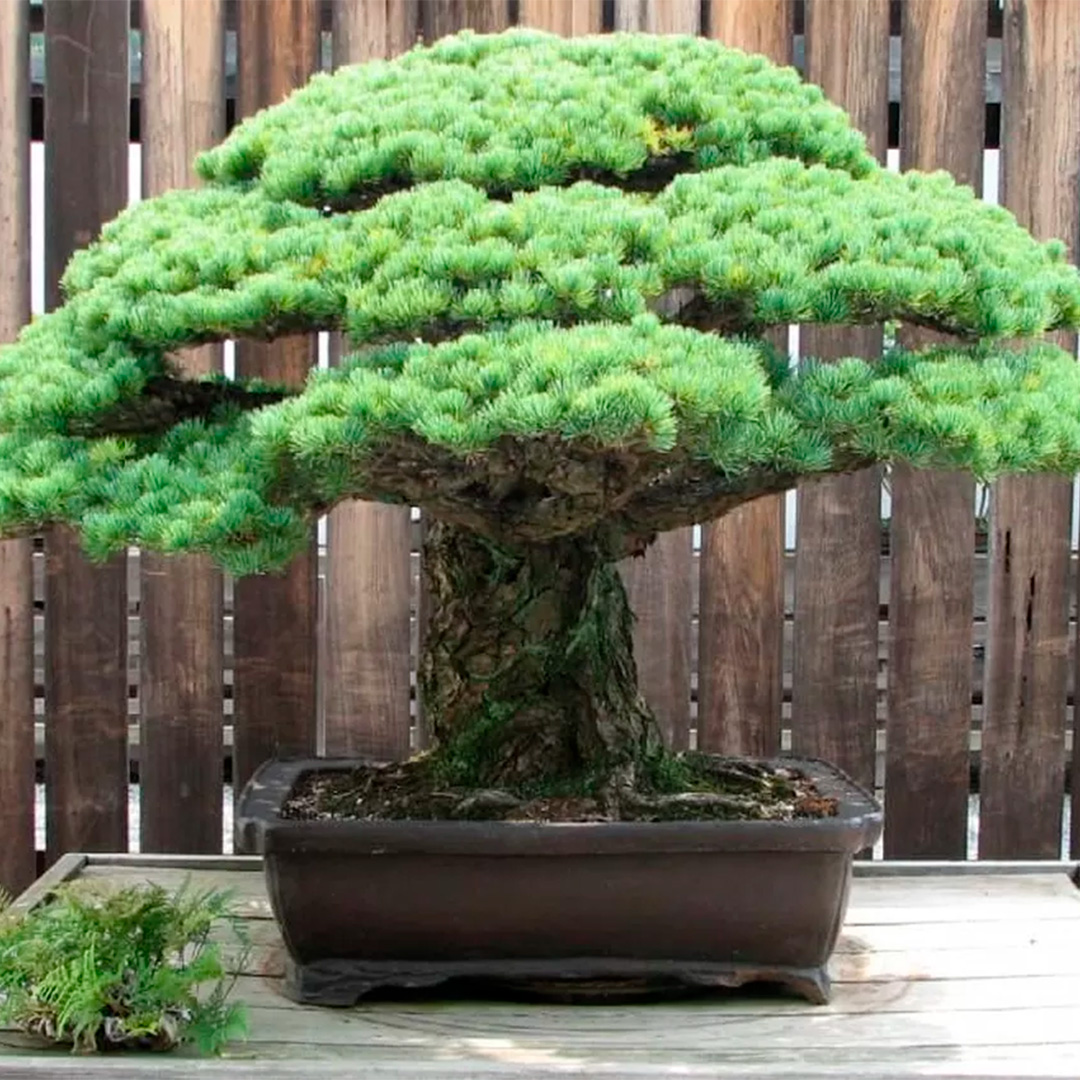
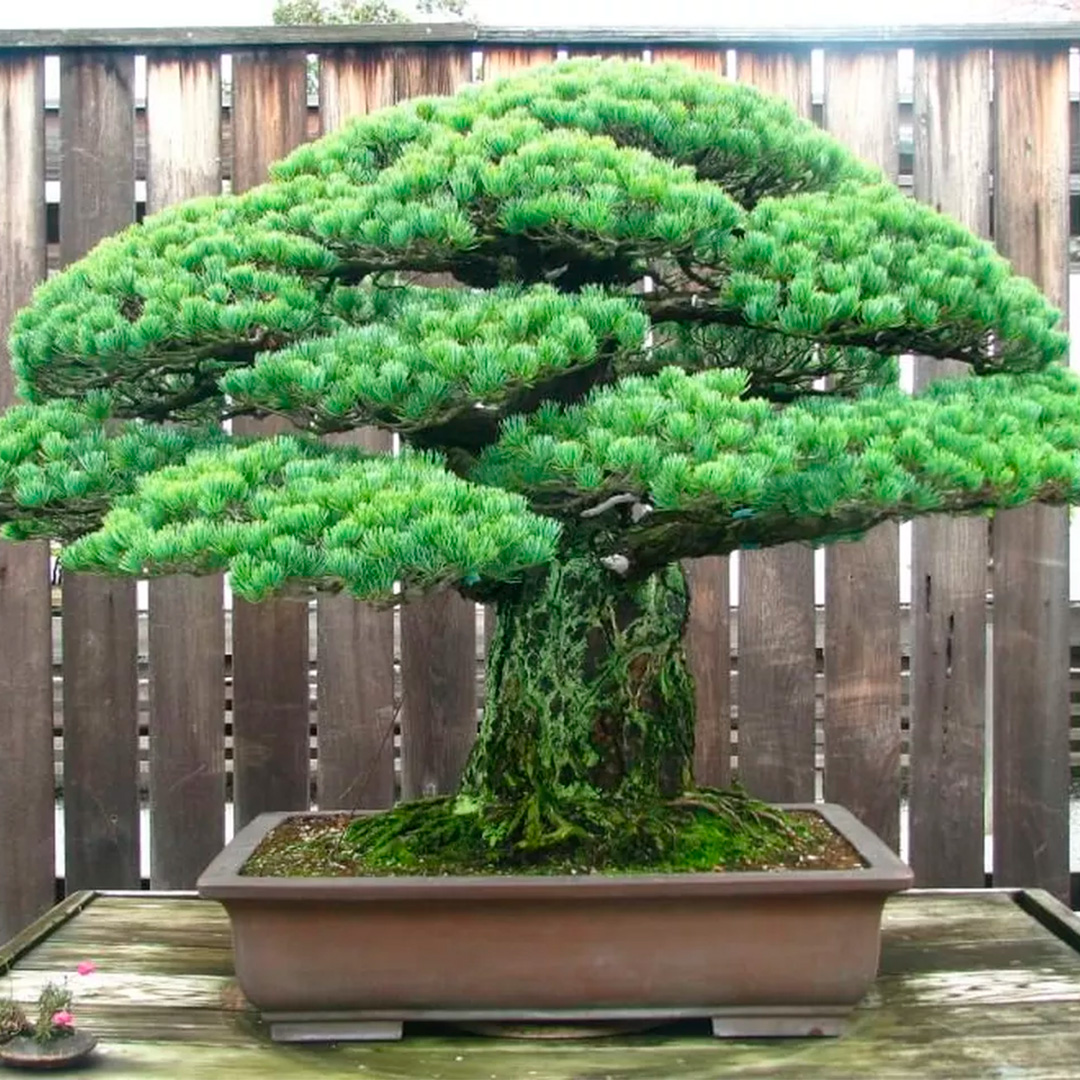
Nel cuore di Hiroshima, tra le devastazioni della bomba atomica, un piccolo bonsai è riuscito a sopravvivere e a diventare un simbolo potente di resilienza e speranza. Questo bonsai, un pino bianco giapponese, ha oltre 390 anni e apparteneva alla famiglia Yamaki. Il suo viaggio è una testimonianza della forza della natura e della capacità di rigenerarsi anche nelle circostanze più avverse.
La Storia del Bonsai di Hiroshima
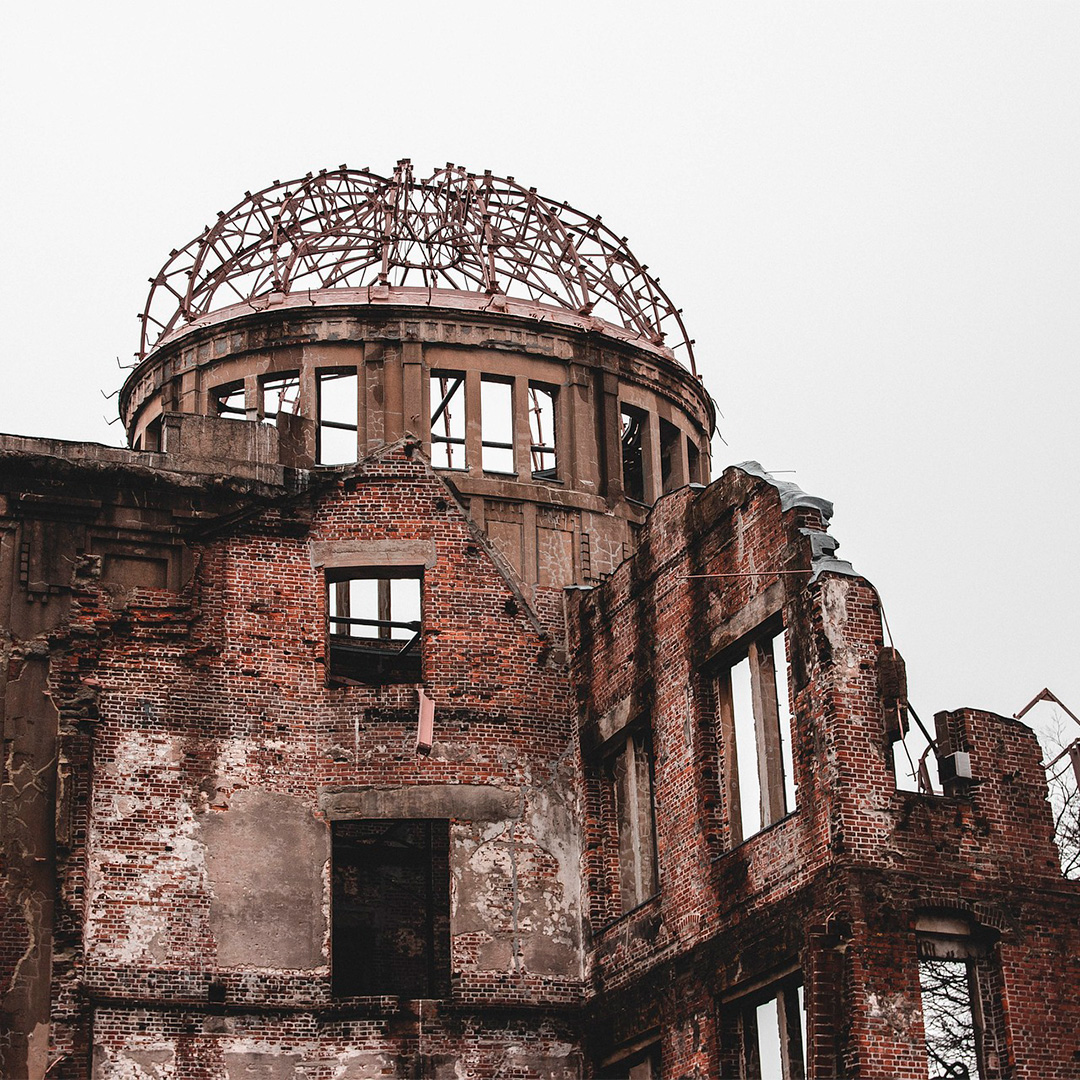
Il 6 agosto 1945, la bomba atomica sganciata su Hiroshima cambiò il corso della storia. Migliaia di vite furono spezzate e la città fu ridotta in macerie. Tuttavia, a circa 3 chilometri dall’epicentro, il bonsai della famiglia Yamaki rimase illeso. La famiglia lo aveva curato con dedizione per generazioni, e questo piccolo albero, che rappresentava per loro la vita e la continuità, divenne un simbolo della capacità di persistere anche nelle condizioni più difficili.
Il Significato di Questo Bonsai Oggi
Oggi, il bonsai che sopravvisse a Hiroshima è ospitato nel National Bonsai & Penjing Museum a Washington D.C., come dono della famiglia Yamaki al popolo americano. Rappresenta non solo una connessione tra due culture, ma anche un messaggio universale di pace e di speranza. Il suo messaggio è chiaro: anche nelle situazioni più devastanti, la vita può riprendersi, fiorire e crescere.

Lezioni di Vita dal Bonsai di Hiroshima
- Resilienza: Proprio come questo piccolo albero ha sopravvissuto a una delle tragedie più grandi dell’umanità, anche noi possiamo trovare la forza per superare le difficoltà che incontriamo.
- Pazienza e Dedizione: La cura di un bonsai richiede tempo, attenzione e amore. È un promemoria che le cose più preziose nella vita si sviluppano lentamente e con costanza.
- Speranza: Anche quando tutto sembra perduto, ci sono sempre possibilità di rinascita e ricostruzione.
Conclusione
Il bonsai di Hiroshima è molto più di un semplice albero; è un simbolo vivente della resilienza umana e della forza della natura. Ricorda a tutti noi che anche nei momenti più bui, c’è sempre una speranza di ricominciare. Se vuoi conoscere meglio la storia di questo bonsai o imparare di più sull’arte del bonsai, visita il National Bonsai & Penjing Museum.