
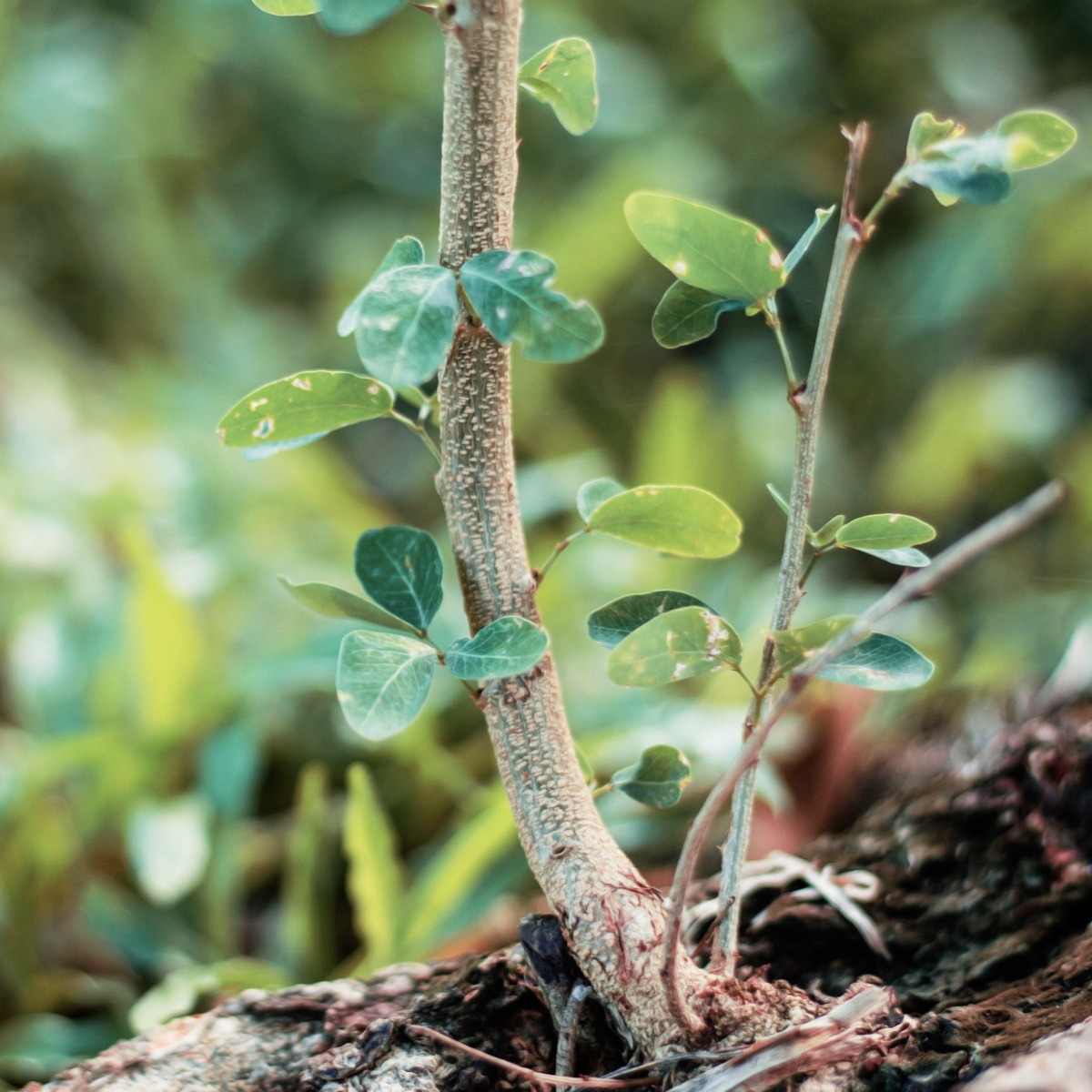
Everything you need to know if you want to make a Bonsai by collecting a tree in the wild. In Japanese this practice is called Yamadori.
Getting a Bonsai tree without spending? Making Bonsai by harvesting a tree? What does it mean?
With this article we are going to talk about Yamadori, a Japanese term that literally means "mountain plant harvesting" and is used precisely to describe the technique of harvesting trees from their native soil to be transplanted inside a Bonsai pot.
Our much-loved Bonsai trees are plants that grow in pots, which is why they do not naturally develop their roots and consequently, do not develop their stem height.
After all, they are trees, right? And trees also grow in nature, spontaneously, don't they? So what's to stop us from starting with a tree already present and growing in nature and adapting it for bonsai?
Actually, it is an issue, rather than a problem, that must arise upstream if you decide to harvest a tree from a piece of land. In fact, by law, harvesting trees in the wild is prohibited without the permission of the landowner or the forestry agency that safeguards the land.
Of course, if you own the land, feel free to do whatever you like.
Getting into practice, let us now see what the difficulties of this technique are and what its advantages are.
1- Yamadori, not for beginners!
Let's start with the fact that this is not a novice method; gardening knowledge, patience and technique are needed.
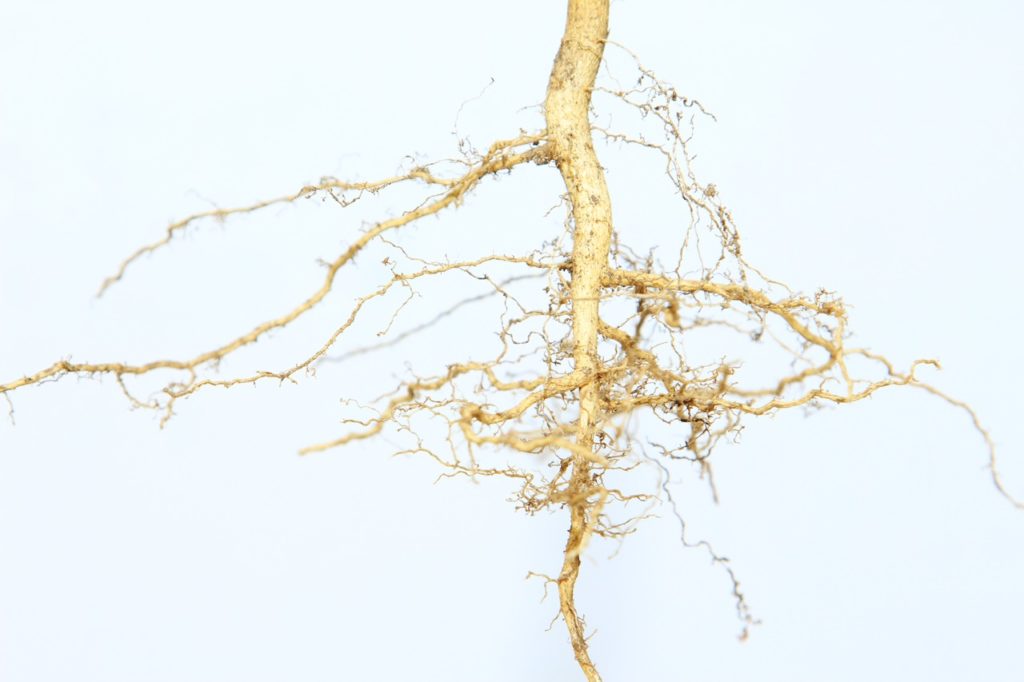
It is not a given that our tree will survive the stress of the change of location; we need to stimulate it with special products that allow it to create root capillaries: elements of the root bread that deliver nutrients to the plant.
2- Choose the right time for tree harvesting.
What is the best time to harvest the plants?
The best time to do this depends on the climate of the area you are in.
Generally, the most appropriate time is before the plants vegetate.
For the warmer areas this is the months of February/March, for the less warm areas the period before spring, i.e. indicatively, the first days of March.
3- Choose the right place, with species native to your area!
What are the best places to harvest plants?
There is no one place better than the other.
It is clear that some more interesting and distinctive species of trees may grow wild in some areas that might be more curious to root and grow in pots.
An eye always goes to the compatibility of the plant to the area you are in-you cannot expect to grow plants in a habitat that is not their own.
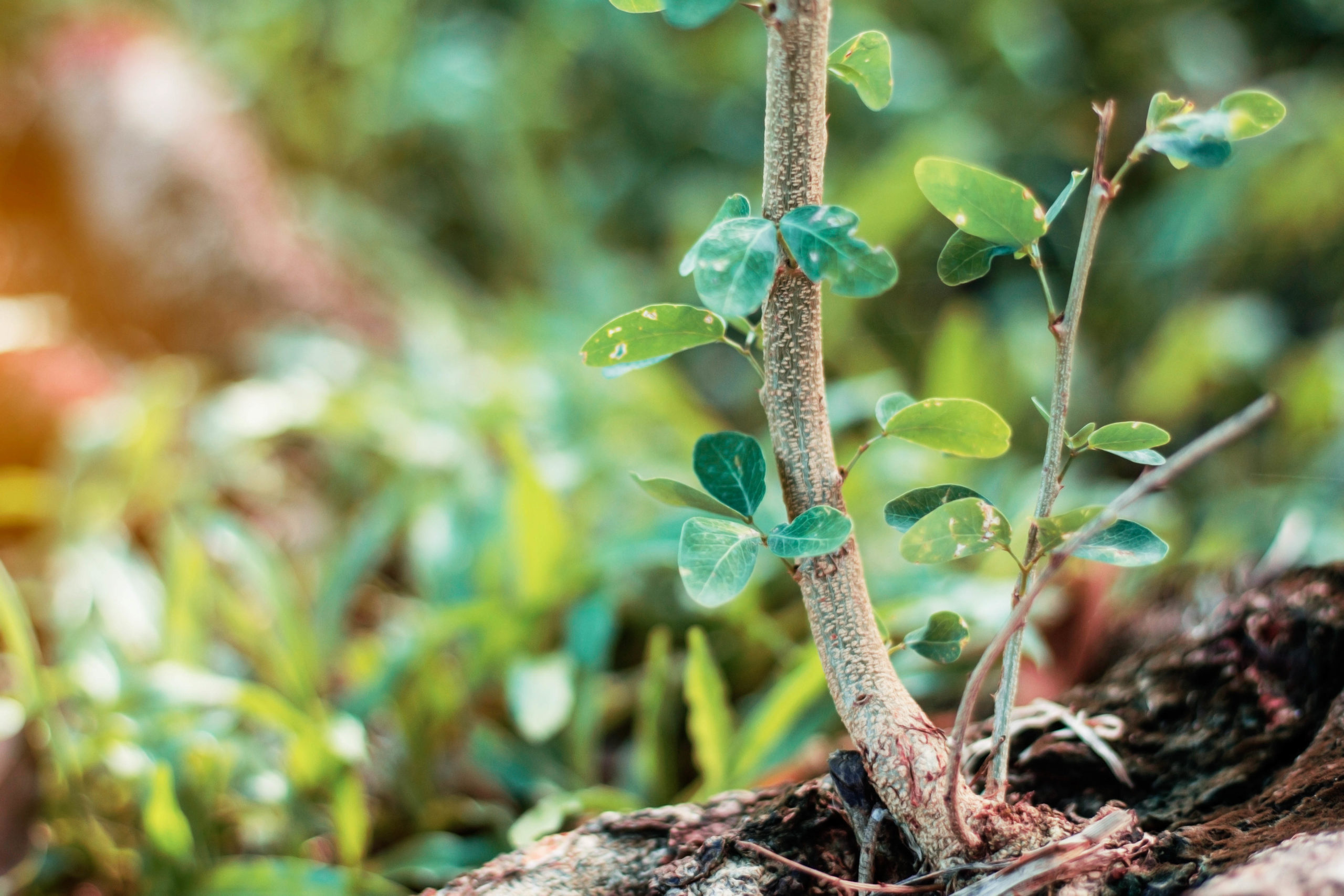
Wait to pick a tree of this size; it still needs time for its setting.
4- What do I need for the Yamadori?
- Definitely need damp cloths in which to wrap the root ball immediately to avoid its dehydration just after extraction. The root ball below the soil must not be touched, it will have to stay as you will find it at the time of extraction from the subsoil, wrapped in the cloths and decanted as soon as possible.
- You will also need a spade, shovel and possibly a tool with which to force the most important roots out of the soil.
- Basic elements, it goes without saying: plenty of elbow grease, lots of strength and patience.
5- Once home, what should I do for the tree to continue to survive?
You will need to move the plant as soon as possible to a pot as large as the width of the root ball and equipped with holes for drainage.
An important step will be to secure the tree to the pot it is in, so that it will not move for any reason. Help yourself with an appropriate wire.
Yamadori, a difficult practice, but what satisfaction!
The product obtained by practicing this technique is a Bonsai totally different from those sold in garden stores.
It will be a plant that shows signs of aging, with very consistent and important bark, characteristics that signify value and style in the bonsai world.
When practicing Yamadori, the good outflow of the project is based on how quickly the roots cling to the soil.
To promote rooting, it is necessary to use a substrate specific to the type of plant we have harvested. Generally, the choice of substrate begins by observing the soil on which the roots were growing at the time they are harvested.
A good move is to take potting soil from the plant's native soil and mix it with specific substrate so as not to create too obvious an overhang of the habitat in which the tree will grow.
The more capillaries formed, the more chance the plant will have to absorb nutrients from the soil in which it lies, so do not create a compact, sticky soil because you will not give the root capillaries a chance to form.
There are practices that can be adopted to encourage the formation of the plant and to prepare it for harvesting from the ground.
You could prune its foliage and foliage while it is still planted in the soil to reduce the amount of chlorophyll needed for its survival to lessen the importance of the underlying roots and make your life easier at the time of extraction.
Some important assessments to consider before extraction:
- The foot of the tree should be large and stable; it stands for sturdiness and strength, consequently for ease in getting the roots anchored.
- The stem bark should be well presented and healthy, synonymous with the healthiness of the plant.
- The amount of leaves should not be excessive, prune them if there are too many, they are for all intents and purposes elements that require life forces from the roots. The less there are, the less energy is needed, don't worry, then they grow back!
What to do long term with your Bonsai tree?
Once the roots are placed in a large pot with suitable potting soil, water the potting soil thoroughly without spoiling it.
Store the pot outside and out of the sunlight, keep the potting soil moist and do not do any major repotting, pruning, leafing for at least one year after the harvesting operation.
Consider administering amounts of fertilizer to stimulate vegetation departure during spring.
