
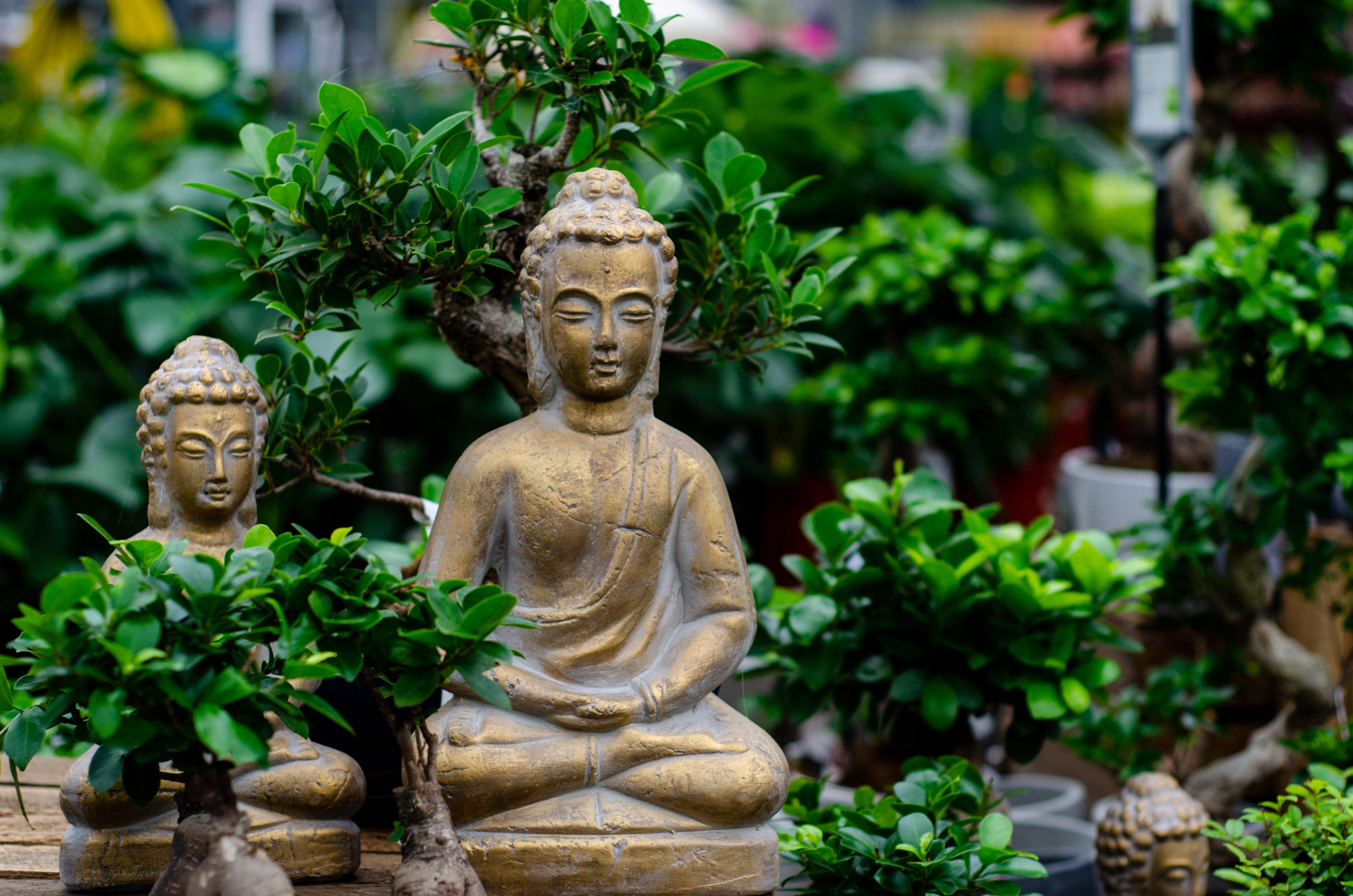
La cultura del bonsai è antica a dir poco. Contrariamente a quello che si crede mediamente, la disciplina della coltivazione degli alberi nani in vaso deriva dalla cultura del popolo che risiedeva in quella che ora chiamiamo Cina.
L’arte del bonsai prese piede solo in un secondo momento in Giappone con l’avvento del Buddhismo Zen e delle usanze dei monaci a esso devoti.
In Cina:
Nel continente asiatico, più precisamente nel territorio cinese, vennero ritrovati dei vasi poco profondi in terracotta, quasi simili a vassoi che risalgono a circa 5000 anni fa. Quasi mille anni più tardi, in corrispondenza con l’età del bronzo cinese, queste creazioni vennero riprodotte in lega e rese quindi più resistenti.
Le prime rappresentazioni paesaggistiche in miniatura dell’era cinese risalgono però solo a 2300 anni fa, quando venivano riprodotti in scala elementi paesaggistici naturali che corrispondevano ai Cinque Elementi dell’antica teoria cinese (acqua, fuoco, legno, metallo e terra). Si credeva che rappresentare, per esempio, una montagna in miniatura potesse far ottenere a chi la scolpisse dei poteri magici, più potenti a seconda alla grandezza della rappresentazione.
I primi alberi ripiantati in vaso erano di forma piuttosto particolare e non potevano in alcun modo essere usati per funzioni comuni e pratiche, come legname da ardere per esempio, perché avevano un’accezione sacra. I primi bonsai avevano forme contorte e attorcigliate che richiamavano il corpo durante le pose di yoga, favorendo la circolazione di fluidi vitali e di conseguenza la lunga vita.
Nei secoli a seguire si svilupparono stili diversi l’uno dall’altro, quanto era diverso il territorio in cui essi presero piede. Si cominciarono a utilizzare vasi in terracotta e ceramica per le loro proprietà termoresistenti e si fecero persino esperimenti per modellare la forma degli alberi con canne di bambù e fili in ottone o piombo. Nacque così la primordiale cultura del bonsai, descritta da molti poeti e scrittori e rappresentata da molti pittori che accostarono questa disciplina ad uno stile di vita di uomini colti e saggi.
In Giappone:
L’arte della coltura degli alberi in miniatura arrivò in Giappone nel periodo Heian (tra il 794 e il 1185 d.C.), quando i primi paesaggi riprodotti su lastra approdarono sull’isola nipponica dal continente cinese come souvenir religiosi.
Tra le tradizioni e le usanze cinesi importate in Giappone ci fu il Buddhismo cinese, che diventò, in chiave nipponica, il Buddhismo Zen: un credo che faceva della massima essenzialità l’archetipo della bellezza. I monaci zen svilupparono col tempo una tecnica sempre più raffinata di coltivazione dei mini-alberi denominata Hachi-no-ki (lett. albero nel vaso). Ispirandosi alla cultura cinese stilarono delle linee guida riguardanti questa disciplina, secondo cui un albero in miniatura contenuto in un vaso potrebbe rappresentare l’universo.
L’arte della coltivazione dei mini-alberi si diffuse in Giappone negli anni seguenti. Tutti, dagli alti ranghi dell’esercito, alla gente comune, possedevano e coltivavano con cura un albero in miniatura. Alla fine del XVIII secolo a Kyoto cominciò a svolgersi un’esposizione di alberi di pino nano in cui i partecipanti provenienti delle zone limitrofe sottoponevano a giudizi le loro piante.
All’inizio del XIX secolo degli studiosi delle arti cinesi catalogarono con la parola “bonsai” gli alberi in miniatura coltivati su vasi poco profondi, i così detti pun (o bon, da cui deriva la parola bonsai, che è la pronuncia giapponese del termine cinese pun-tsai) diversi quindi dai vasi Hachi, più profondi. Nel corso del secolo la disciplina della coltivazione di bonsai fu argomento di molti libri. Vennero redatte molte pubblicazioni scritte riguardanti strumenti e vasi da utilizzare in base alla tipologia di pianta. (Leggi qui il nostro articolo sulla scelta del vaso per il tuo bonsai!)
Il terremoto di Kanto del 1923 devastò l’area circostante alla città. Dopo la catastrofe, un gruppo di bonsaisti prese la decisione di trasferirsi con le loro famiglie a Omiya, cittadina dalle acque pulite e dall’aria poco inquinata. Situata a circa 30 chilometri a nord di Tokyo divenne la città del Villaggio di Bonsai di Omiya. Il museo d’Arte Bonsai del villaggio è aperto al pubblico dal 2010 e vanta una collezione straordinaria di piante in miniatura, un luogo da non perdere per i veri appassionati del settore.
